

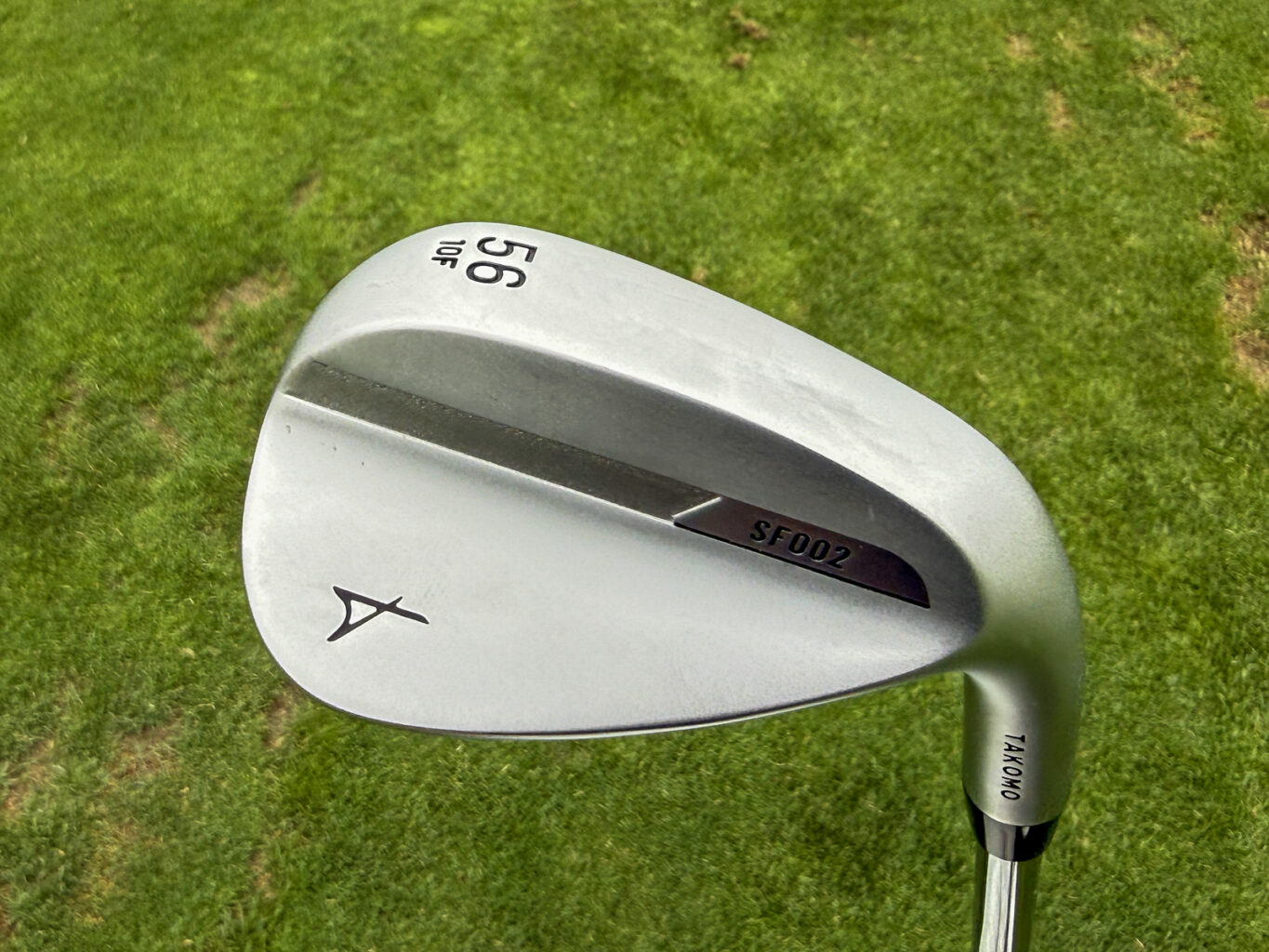
I’ve had a pretty good experience testing Takomo clubs over the last few years.
I’ve spent time with a number of models from both its 101 and 201 series of irons, and the experience has generally been the same: They’re solid performers that offer a lot for the money.
But I also wouldn’t say I found any of them earth-shattering.
Good clubs? Absolutely.
A good value? No question.
Clubs that immediately made me want to rethink everything in my bag? Not necessarily.
So while I was excited to try the new Takomo Skyforger 002 wedges, I wasn’t expecting them to be dramatically different.
After four rounds with them, however, these might be the Takomo clubs that have surprised me the most.
At $99 each, the Skyforger 002 wedges look and feel like clubs that could cost twice as much. More importantly, they’ve inspired an unexpected amount of confidence around the greens, and the results have backed that up.
So, are these among the best values in golf right now?
Let’s take a closer look.
Why I Wanted to Try the Takomo Skyforger 002
I’ve played basically the same Miura 56-degree sand wedge for around five years now.
It’s been fantastic. It’s comfortable, predictable, and has been one of those clubs that simply never gave me a compelling reason to replace it.
But five years is a long time to use the same wedge. At some point, even a great wedge needs fresh grooves.
For this review, I picked up a 56-degree Skyforger 002 in Takomo’s F Grind and a 60-degree model in the V Grind.
I also want to be upfront about the perspective I’m bringing to this review: I haven’t personally tested dozens of current wedges back-to-back.
There are other reviewers who can give you a more comprehensive comparison of every grind, groove pattern, and launch-window variation on the market.
I’ve certainly played a number of different wedges and have strong opinions about what works for me. But this review is primarily about how the Skyforger 002 performed on the course, how it compared with my longtime Miura 56, and how the 60 stacked up against the smattering of lob wedges that have floated in and out of my bag over the last few years.
In other words, I’m probably approaching these the same way many of you will.
You’ve had the same wedges for a while. You know it’s probably time for something new. And you want to know whether a direct-to-consumer wedge that costs $99 can actually feel like a meaningful upgrade.
The short answer? Yes. It absolutely can.
Excellent wedges with full-faced grooves at a price point that is tough to beat. Very much worth considering if this is fits your needs and budget.
First Impressions: Wait, Are These Mizunos?
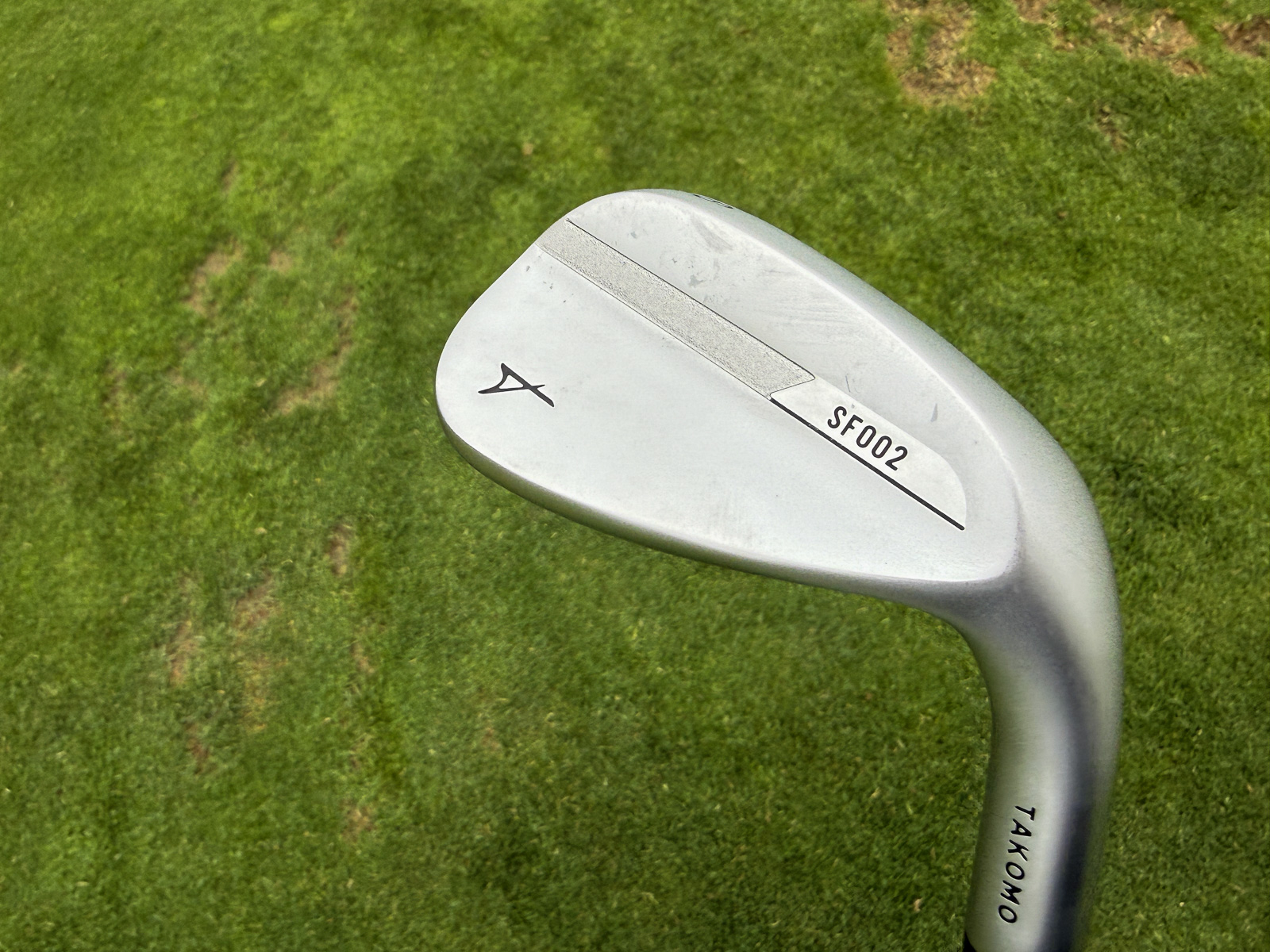
My first thought when I pulled the Skyforger 002 wedges out of the box was simple:
Are these Mizunos?
There are some obvious similarities in the overall shape and finish, and even the Takomo logo isn’t a million miles away visually.
I mean that as the ultimate compliment.
These are as good-looking as any wedges I’ve used.
The design is clean and minimalist, without unnecessary graphics or loud branding. Both the finish and overall build quality feel every bit as premium as I’d expect from a wedge costing much more.
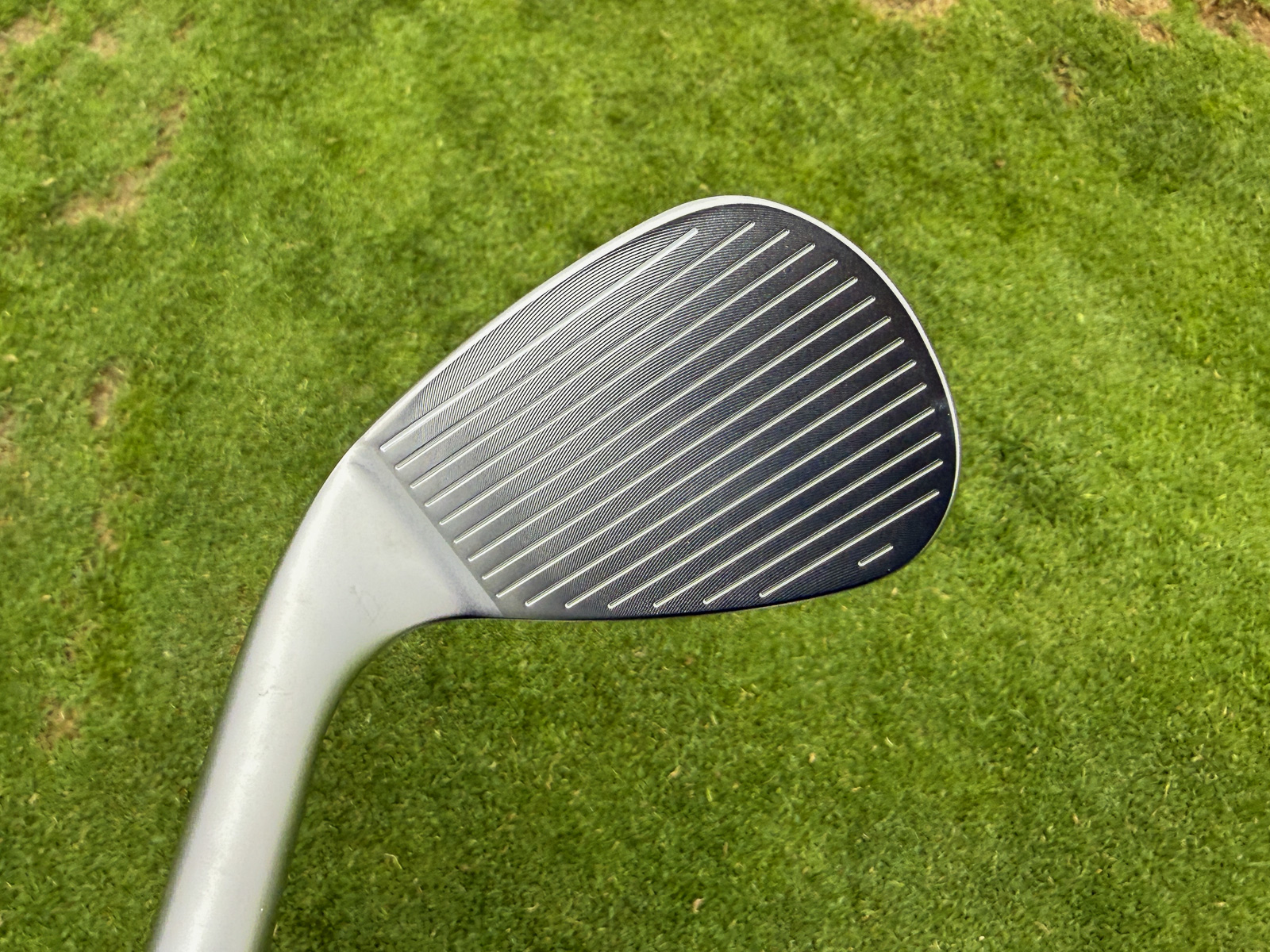
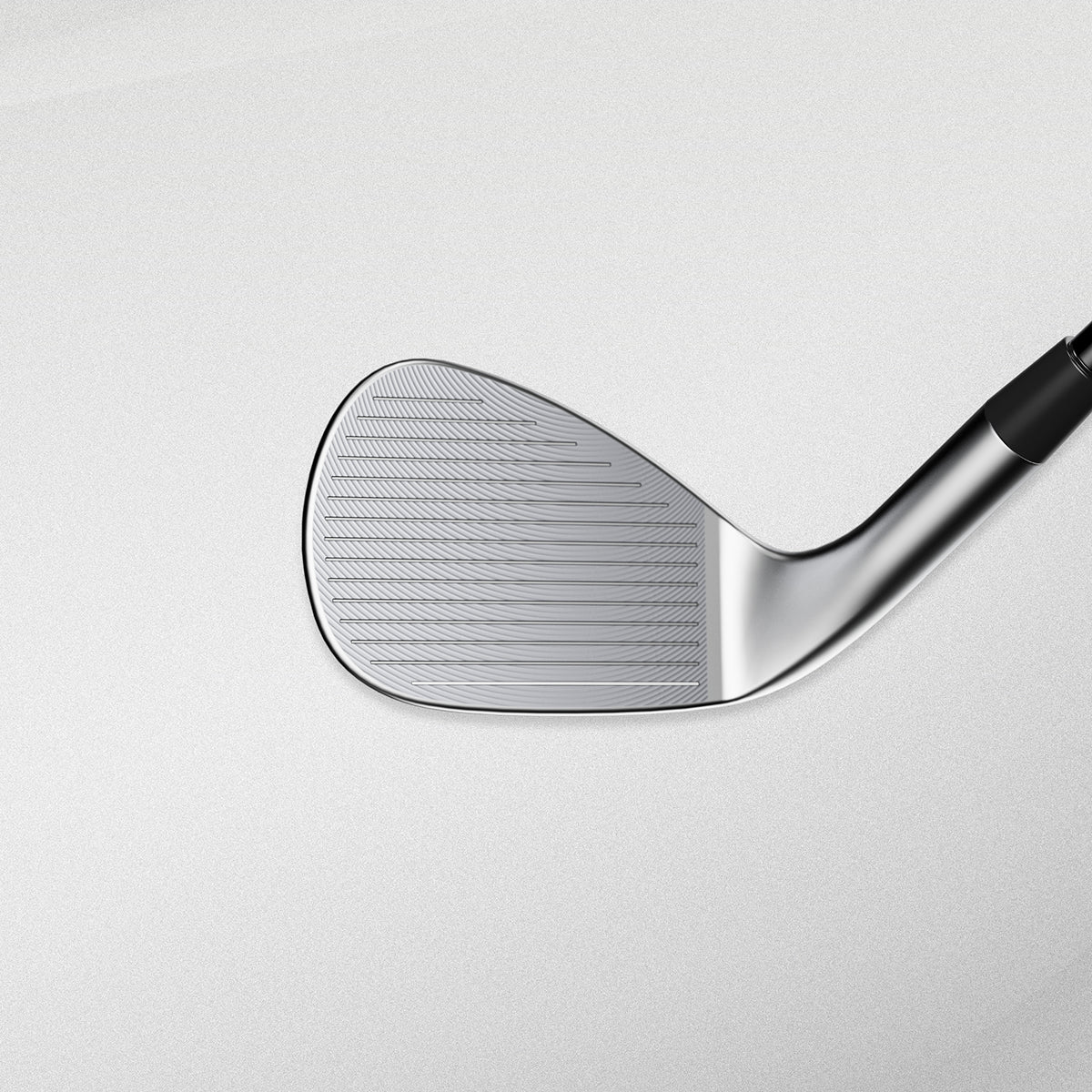
The one feature that caught me slightly off guard was the full-face grooves.
More manufacturers have adopted them in recent years, but the wedges I’ve traditionally played have used a more conventional grooved area and a straighter leading edge. The Skyforger 002 has a larger, rounder-looking face, so it presents a noticeably different profile behind the ball.
That took a little getting used to visually.
But once I got these on the course, any initial hesitation disappeared quickly.
What You Get for $99 with the Takomo Skyforger 002 Wedges
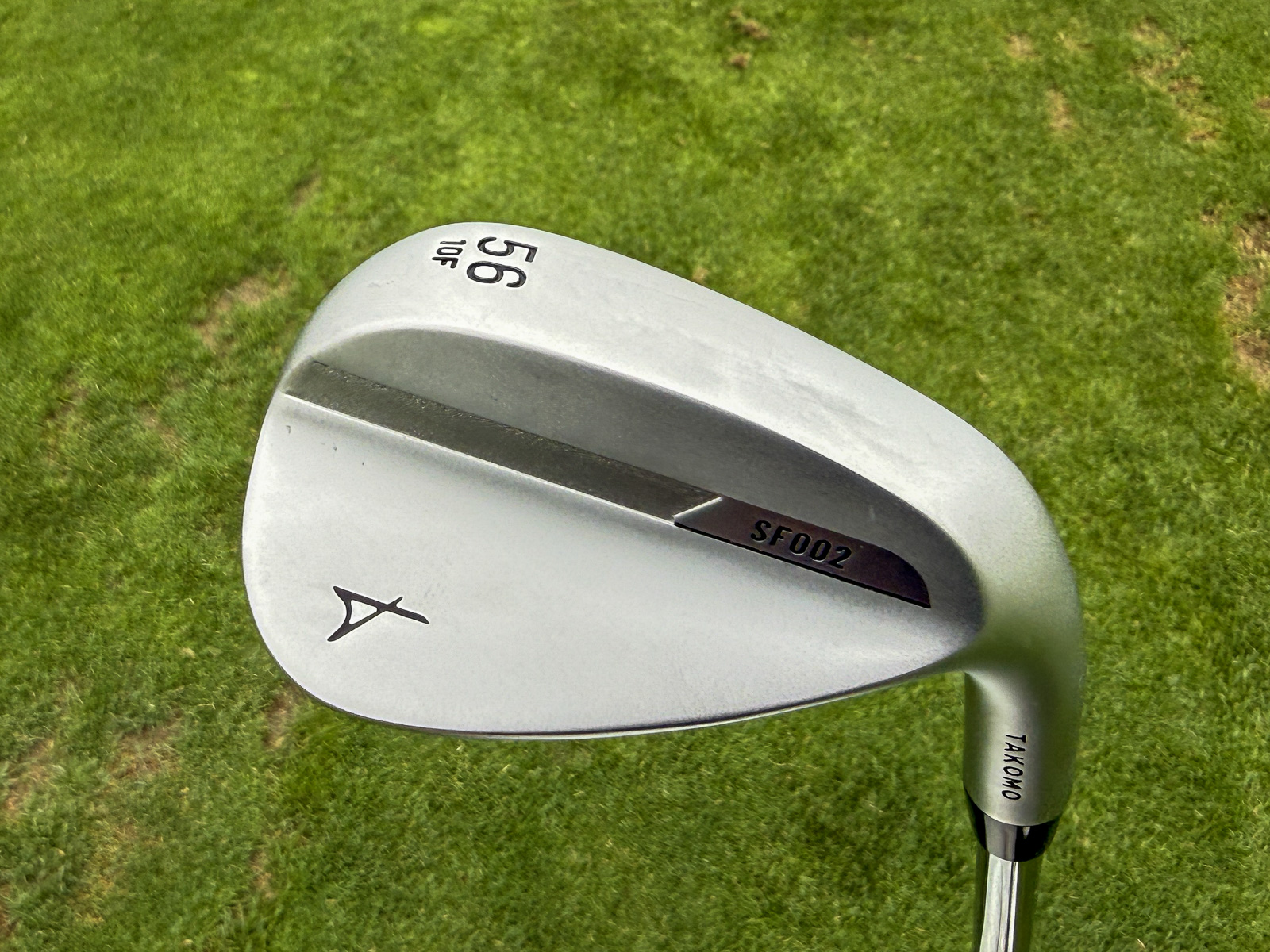
The Skyforger 002 is made from 8620 steel and is available in lofts from 46 through 60 degrees. It features full-face grooves, a micro-groove pattern designed to improve spin consistency, and a painted bottom groove that makes alignment a little easier.
Takomo offers two sole options:
- F Grind: A thicker, lower-bounce sole designed to add forgiveness when the face is played relatively square.
- V Grind: A higher-bounce option with relief toward the back of the sole, allowing the leading edge to sit lower when you open the face.
The 52-, 54-, and 56-degree wedges are available in either grind. The 58- and 60-degree models only come in the V Grind, while the lower-lofted wedges use the F Grind.
My 56-degree F Grind has 10 degrees of bounce, while the 60-degree V Grind has 12 degrees.
The stock build uses a 130-gram KBS Tour stiff shaft and a Lamkin Crossline grip, which is what mine have. There aren’t nearly as many grind, finish, shaft, or customization options as you’ll find from the biggest wedge brands, but the available combinations should cover the needs of a lot of recreational golfers.
And let’s face it, if you’re buying wedges sight unseen from a direct-to-consumer brand, you probably don’t need (or want) dozens of different options here.
That streamlined approach is also presumably part of what allows Takomo to sell these for $99.
Takomo Skyforger 002 Performance
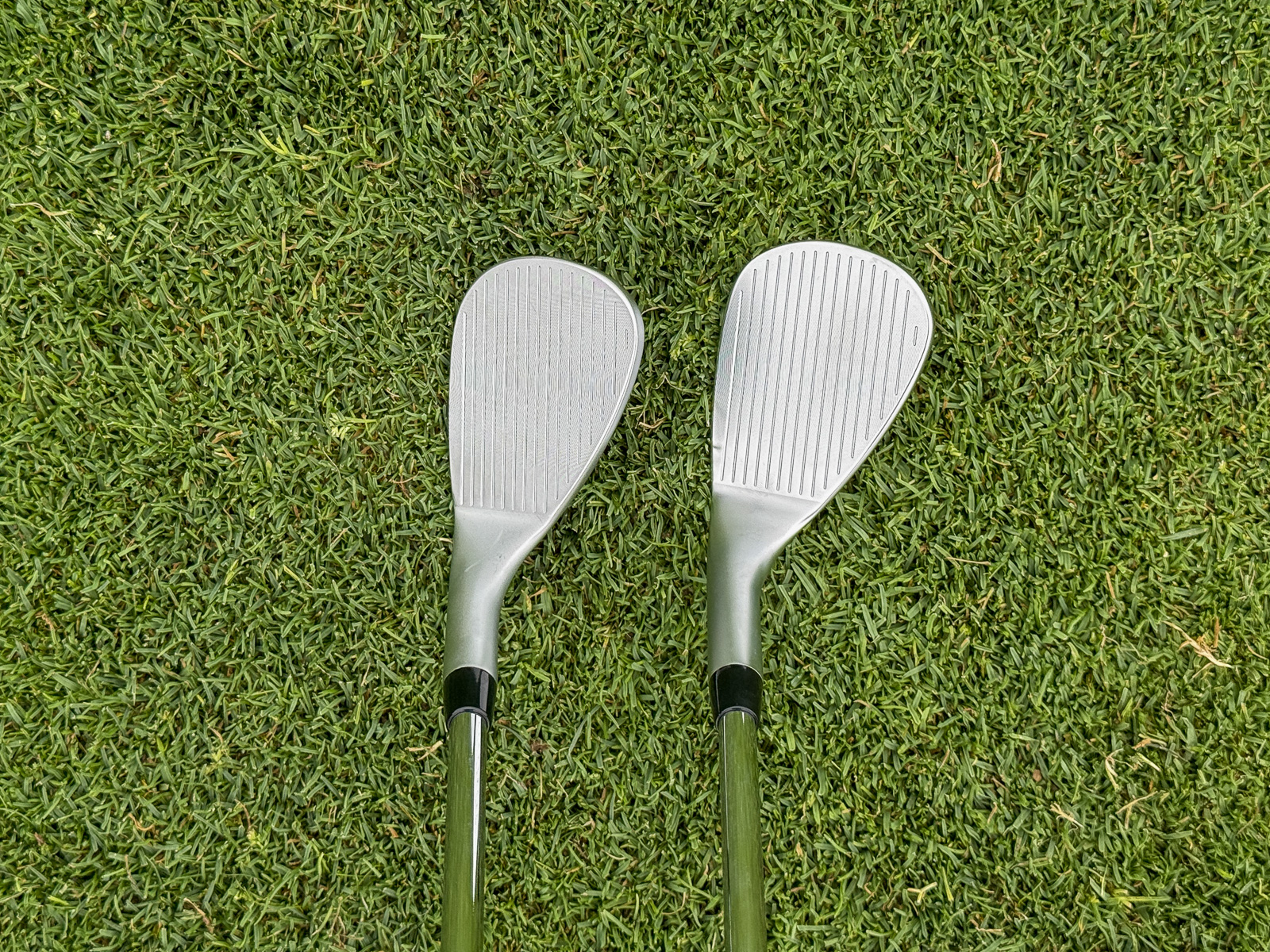
Over four rounds, both wedges have inspired much more confidence than I expected.
I’m not saying four rounds is enough to make a definitive proclamation about long-term durability or declare these the best wedges in golf. It’s not.
But it is enough time to recognize when something is working, and so far, these are working.
In each of my last two rounds, my playing partners have complimented my chipping. And not in a casual, polite way. There was a little bit of shock behind it.
Both from them, and from myself.
The Skyforger 002 wedges have more feel than I was expecting, and I’ve found it very easy to be precise with landing spots and distance control. They feel soft without being vague, and there’s enough feedback to know immediately whether I’ve caught the shot the way I intended.
There’s also plenty of spin available when you want it. I’m not someone who tries to rip every chip backward, but I’ve had no trouble getting the ball to check when the shot calls for it.
The real-world results have been excellent.
In my most recent round, playing as roughly the 10-handicap I currently am, I gained 2.2 strokes with my short game according to Arccos. I’ve also averaged five one-putts per round over my last three rounds.
That isn’t exclusively a putting statistic. A big part of it has been hitting chips close enough to give myself realistic chances to convert.
Is every bit of that improvement solely because of the wedges? Of course not. Four rounds is a small sample, and golf performance is rarely that simple.
But I know what confidence around the greens feels like. Right now, I have more of it than I did before putting these in the bag.
F Grind vs. V Grind
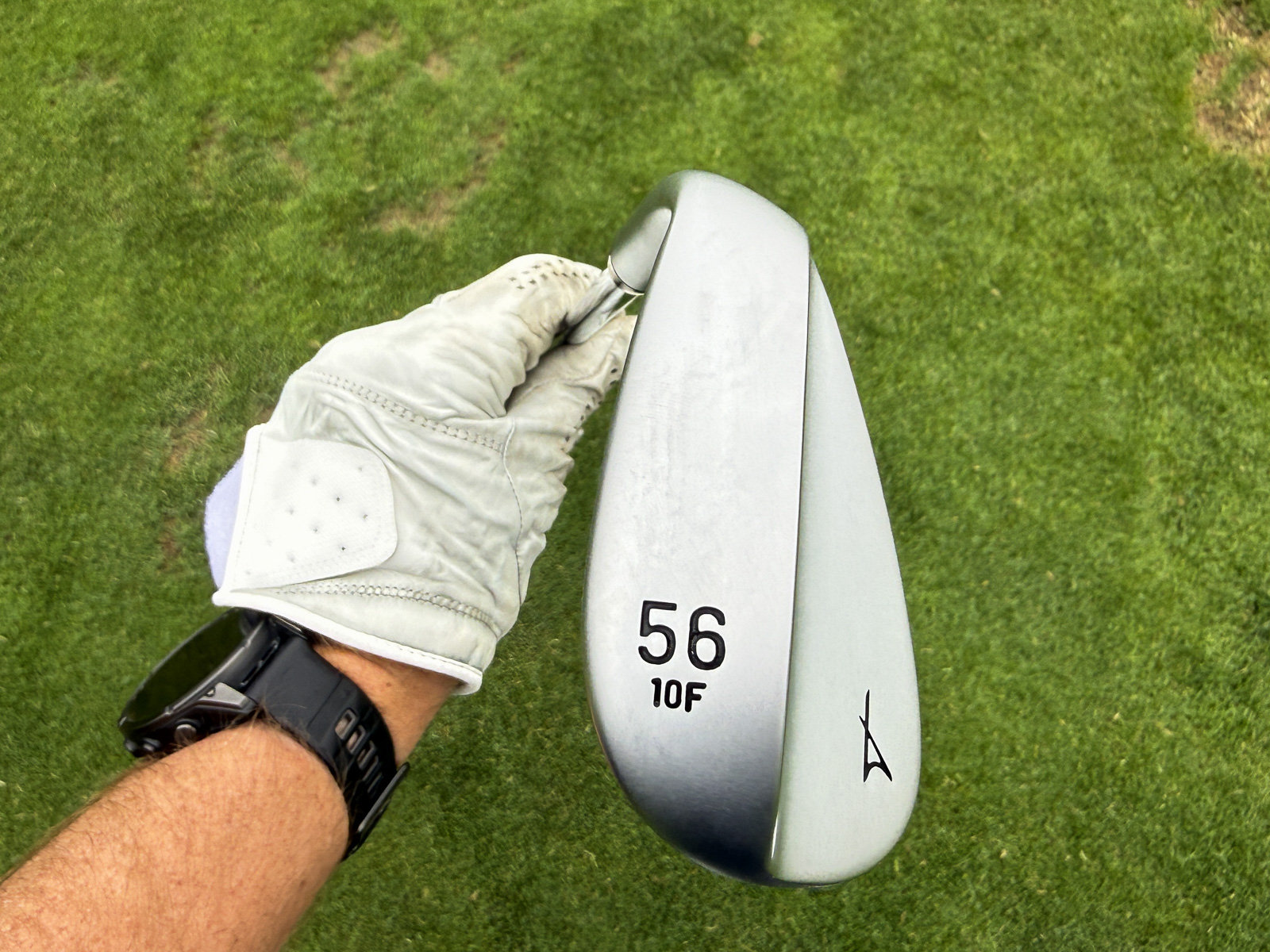
The two grinds have given me a useful combination.
The 56-degree F Grind has felt forgiving across a wide range of shots. This is the club I’m more likely to play with a square face for traditional chips, pitches, and fuller swings, and the wider sole has made it feel stable and predictable.
Considering how long I played the same Miura 56 degree sand wedge, I expected that club to be the more difficult one to replace.
That hasn’t been the case.
The 60-degree V Grind has been especially fun when I want to get creative. The relief on the sole makes it easier to open the face without feeling as though the leading edge is sitting uncomfortably high off the ground.
As a result, flop shots have felt great and I’ve had plenty of confidence with them.
In fairness, this is oddly one shot that I’m actually pretty good at hitting, but I’ve been even better with this wedge.
That doesn’t mean the club suddenly makes a high, soft lob shot foolproof. It remains one of the easiest shots in golf to make yourself look ridiculous attempting.
But the V Grind gives me the sense that the club wants to slide underneath the ball rather than fight against me. That’s exactly what I want from a 60-degree wedge.
What About Bunker Performance?
The one area where my results have been more inconsistent is from the sand.
I’ve hit some good bunker shots with these, but I haven’t developed the same immediate confidence that I’ve found when chipping and pitching from grass.
At this point, I think that’s mostly on me rather than a flaw with the wedges.
Bunker play has always been a more variable part of my short game, and four rounds haven’t given me enough repetitions from enough different lies to draw a strong conclusion.
The bounce and sole designs should provide everything I need. I simply haven’t been as consistent using them yet.
I’ll update this review if that changes after more time in the bag.
The Biggest Drawback
The primary compromise is choice.
If you buy wedges from Vokey, Callaway, TaylorMade, or another major manufacturer, you can choose among a long list of grinds, bounce configurations, finishes, and custom shafts.
Takomo keeps things much simpler.
You get two grinds, one finish, and a relatively limited set of build options. Golfers with very specific turf-interaction needs (or those who have been fit into a particular grind) may not find an exact equivalent here.
The full-face grooves and rounder shape may also be polarizing. I’ve adjusted quickly, but golfers who strongly prefer a compact profile and very straight leading edge might not love the look at address.
Those are legitimate considerations.
But for the average golfer who wants a versatile wedge without needing a graduate-level understanding of sole geometry, Takomo’s simplified lineup may be more benefit than drawback.
One Other Option to Consider: Stix Compete Wedges
One other similar brand I’d take a look at is Stix.
Its Compete wedges have performed similarly well for me. And if you don’t love the look of the Takomo’s full-face grooves and would prefer something a little more traditional, the Stix Compete set is a solid alternative.
The pricing ends up being roughly the same, with one important difference: Right now, Stix only sells the Compete wedges as a complete three-wedge package. You get a 52, 56, and 60-degree wedge for $300.
That won’t be the right setup for everyone, especially if you only need to replace one or two wedges, but it’s another strong value to consider if you want an entire new wedge set.
Are the Takomo SF002 Wedges Worth It?
In a world where many wedges are pushing toward $200, paying $99 for something that looks, feels, and performs this well is kind of remarkable.
Again, I haven’t tested every current wedge on the market. I’m not going to pretend this is a definitive head-to-head verdict against all of them.
But here’s the simplest way I can describe my experience:
If you handed me these wedges, told me they cost $200 each, and said I had to put them in my bag, two things would happen:
- I’d believe you about the price.
- I’d be very happy to keep playing them.
The fact that they cost half that makes the SF002 wedges one of the easiest value recommendations I’ve made in a while.
Takomo’s irons impressed me primarily because of what they delivered for the money. The Skyforger 002 wedges have gone a step further: They haven’t just felt like good budget clubs. They’ve felt like excellent wedges, period.
After four rounds, the 56-degree F Grind and 60-degree V Grind have earned more time in my bag.
Considering one of them displaced a Miura I’d trusted for five years, that’s about as strong an endorsement as I can give.
Excellent wedges with full-faced grooves at a price point that is tough to beat. Very much worth considering if this is fits your needs and budget.
This page contains affiliate links. This means that if you click a link and buy one of the products on this page, we may receive a commission (at no extra cost to you!) This doesn’t affect our opinions or our reviews. Everything we do is to benefit you as the reader, so all of our reviews are as honest and unbiased as possible.
Excellent
While the Takomo Skyforger 002 wedges wont blow you away with customizability, their performance and price, make them well worth it for the budget conscious golfer.
The Good
- They look excellent
- Performance inspired confidence
- Priced very well
The Bad
- Full faced grooves won't be for everyone
- Some golfers may look for more customizability
-
Presentation
-
Performance
-
Price
-
Personal Affinity
