

You’ve been comparing these two for a while now, haven’t you?
I’ve used Eight Sleep for four years. I’ve now tested the ChiliPad 2.0 for the past month, and I have some thoughts that surprised even me.
Both are water-based. Both use a mattress cover or pad with tiny tubes circulating temperature-controlled water. Both will make your bed legitimately cold (or warm). And both cost more money than almost any reasonable person wants to spend on a mattress accessory.
But, honestly? They’re both totally worth it.
The question is figuring out which one is right for you: Eight Sleep or ChiliPad 2.0?
Let’s jump in.
The Quick Version: Eight Sleep Has Better Tech, ChiliPad 2.0 is More Convenient
Eight Sleep wins on technology. The AutoPilot adjustments, sleep tracking, and single-hub dual-zone setup are things ChiliPad 2.0 simply doesn’t have.
ChiliPad 2.0 wins on value and daily usability. No subscription. A bedside remote that’s better than anything Eight Sleep has offered. A washable cover. And over five years, it’s roughly $900 cheaper.
There’s also a third option worth knowing about if either price gives you pause: the BedJet 3. Air-based, not water-based, and costs a fraction of either. More on that in a bit.
Let’s break it down properly.
Eight Sleep: The Smarter System
I’ve been sleeping on an Eight Sleep Pod Cover for four years. Before that, I used a Sleep.Me Ooler for three years, and the difference the first morning with the Eight was immediately obvious.
It gets cold. Not “somewhat cooler” cold. Like, cold cold.
More than the temperature itself, though, what sets Eight Sleep apart is AutoPilot. After about a week of use, the system learns your patterns and starts making micro-adjustments while you sleep. In four years, mine has logged over 14,000 of those adjustments. I can’t always feel them in the moment. But the data doesn’t lie, and I sleep better with it running than without.
The other big feature is non-wearable sleep tracking. No watch required. The pad’s built-in sensors read sleep stages, heart rate, HRV, and breathing rate throughout the night. I still wear my Garmin to bed for travel coverage, but the Eight’s data has always been close enough to my watch to trust it.
Current pricing: the brand new Pod 6, which features a smaller hub that fits under most bed frames and 20% faster temperature relief, is $2,899 for a Queen. Either model requires a paid Autopilot subscription to access the full feature set. Standard runs $199 per year. Year one comes out to roughly $3,098.
What Eight Sleep Gets Right
- AutoPilot: reactive temperature adjustments while you sleep, not just a fixed schedule
- Built-in sleep tracking without a wearable
- Single hub handles both sides of the bed
- WiFi connectivity — you can adjust it from anywhere, not just Bluetooth range
- Best cooling power in a warm bedroom without AC
- App is a full sleep health ecosystem (sleep tools, breathwork, scheduling)
Where Eight Sleep Falls Short
- The subscription hurts. $199 per year minimum, on top of an already expensive product.
- The cover isn’t machine washable.
- The hub is large and needs to sit beside the bed on Pod 3, 4, 5, but new Pod 6 fixes this.
- Occasional water sounds from the dock when actively heating or cooling.
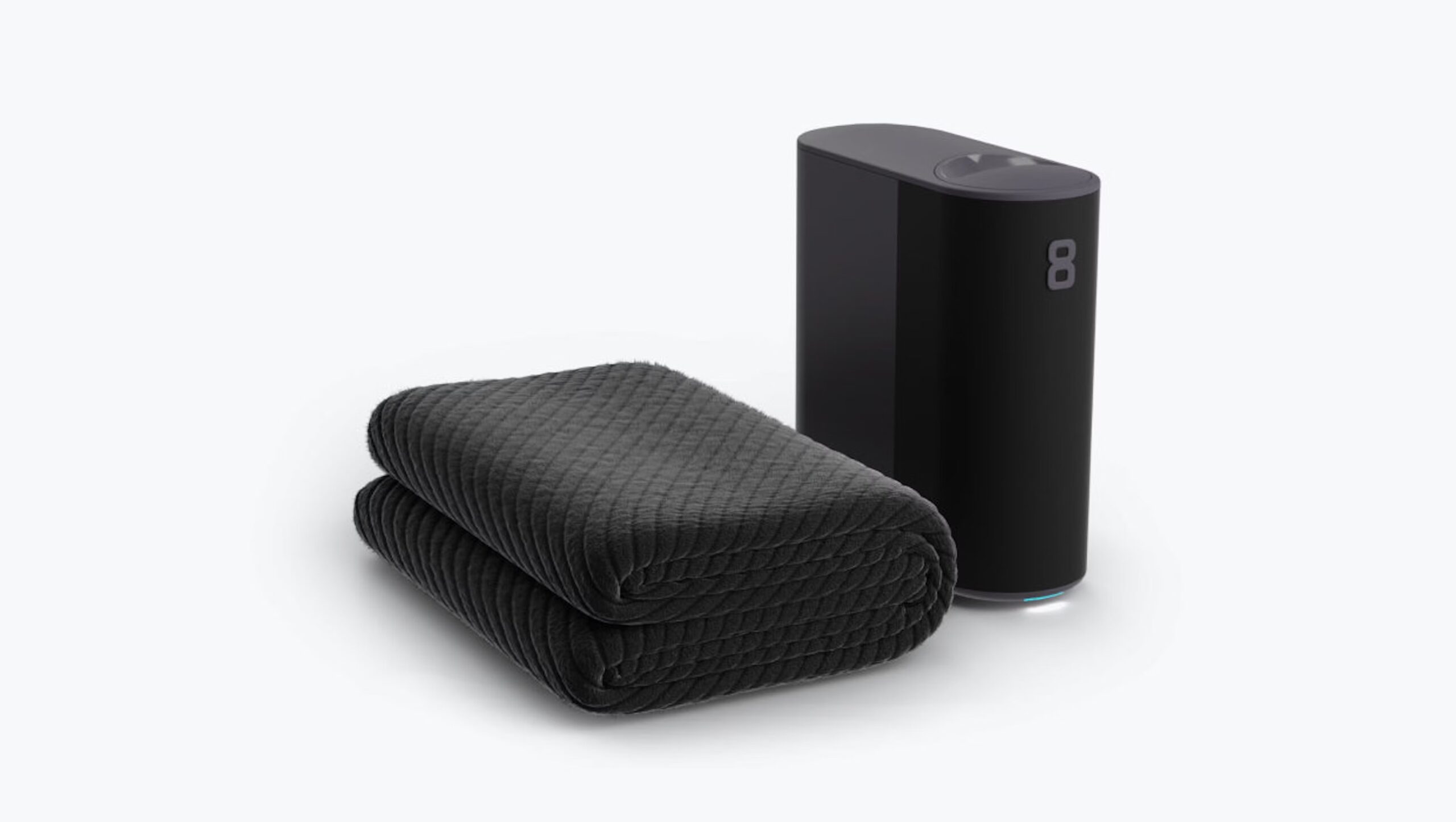
Quite simply, this is the single best investment you could make for your sleep - it's that good. It's expensive, but worth it.
ChiliPad 2.0: The Better Long-Term Value
I went into the ChiliPad 2.0 expecting to confirm what I already believed: that Eight Sleep is the clear winner and ChiliPad is a fine but lesser alternative.
A month later, I’m less certain about that.
It gets properly cold. I turned it down to the lowest setting on the first night and woke up shivering. That’s exactly what I want from one of these systems. I don’t have air conditioning, so especially in the Summer, these sytems are what allow me to still sleep comfortably when my room is hot.
It heats up just as well. And in a month of testing, I’ve found it to be exceedingly quiet.
The bedside remote is the thing that really got me. It looks and feels a bit like a Nest thermostat. You set it on your nightstand. To get warmer, you turn the outer ring one direction. To get colder, you turn it the other way. That’s it. No phone. No app. No unlocking, opening, navigating.
After years of reaching for my phone at 2 a.m. to adjust the Eight? This was immediately better for that specific use case.
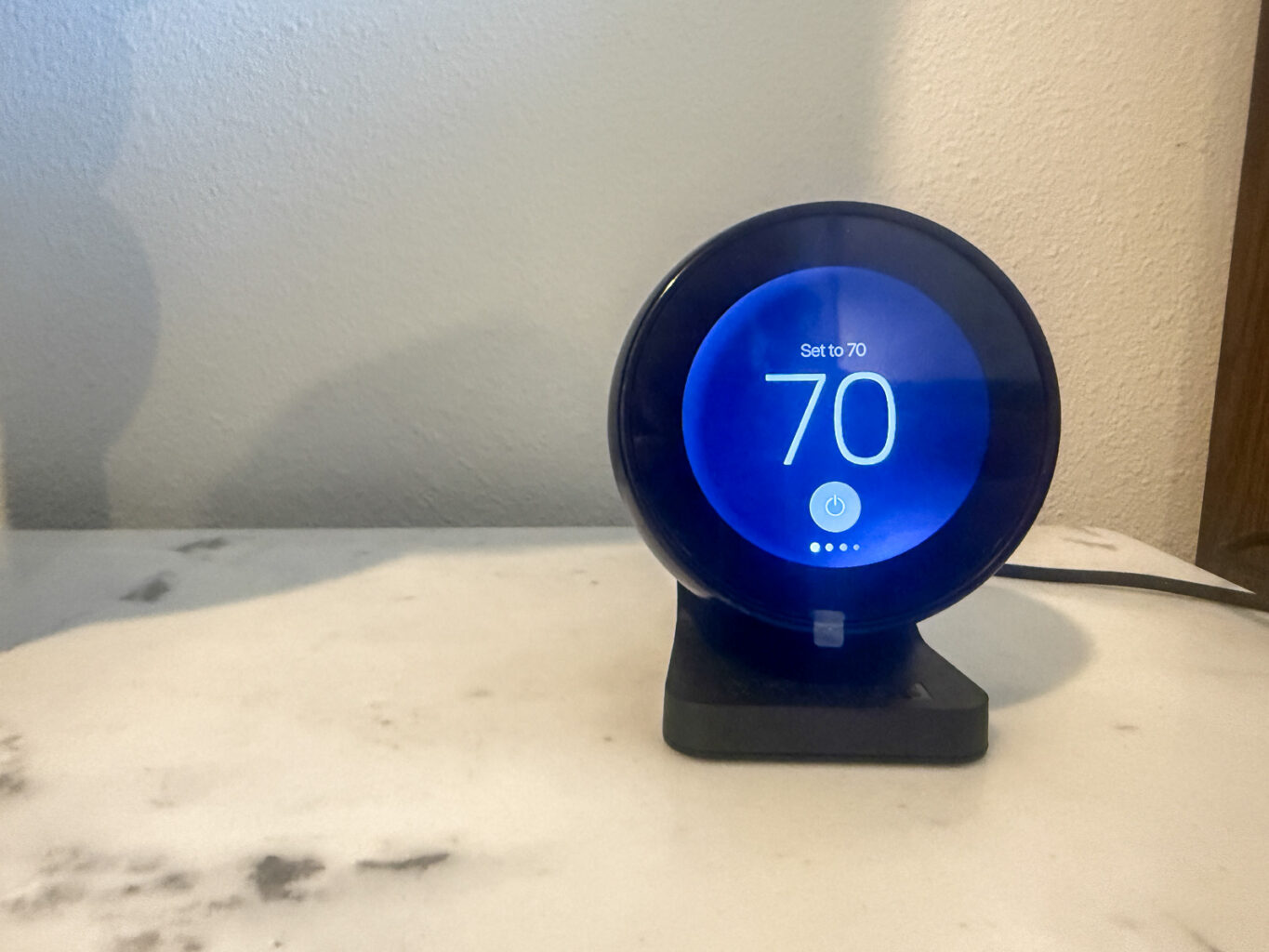
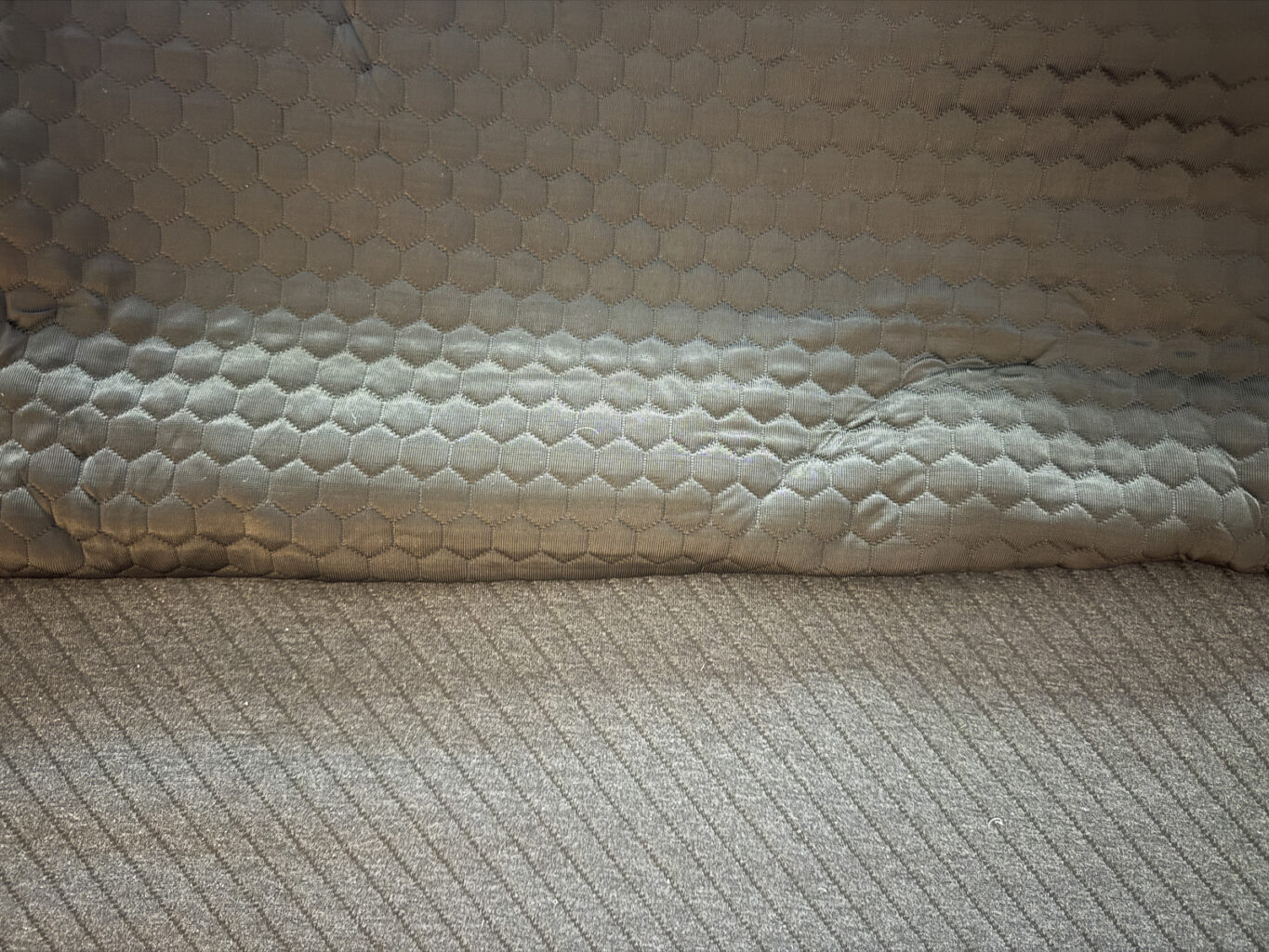
The cover is also washable, which Eight Sleep’s isn’t. Remove the Hydrolayer, throw the fabric cover in the wash. Simple.
And there’s no subscription. A Queen two-sleeper setup is $2,998. That’s the total. No annual fees on top.
What ChiliPad 2.0 Gets Right
- Bedside remote with a dial — no phone required for adjustments
- No subscription, ever
- Washable cover (remove the Hydrolayer, wash the fabric)
- Presence sensing turns the system on and off based on when you’re in bed
- USB-C charging port built into the remote (genuinely useful)
- Over five years, it’s about $900 cheaper than Eight Sleep with the Standard plan
Where ChiliPad 2.0 Falls Short
- No AutoPilot — it runs your schedule, but it can’t react to how you’re sleeping
- No biometric sleep tracking
- Two-person setup requires two docks (vs. Eight Sleep’s single hub)
- App is functional but basic by comparison
- Three weeks of testing — I haven’t been through a full summer heat wave with it yet
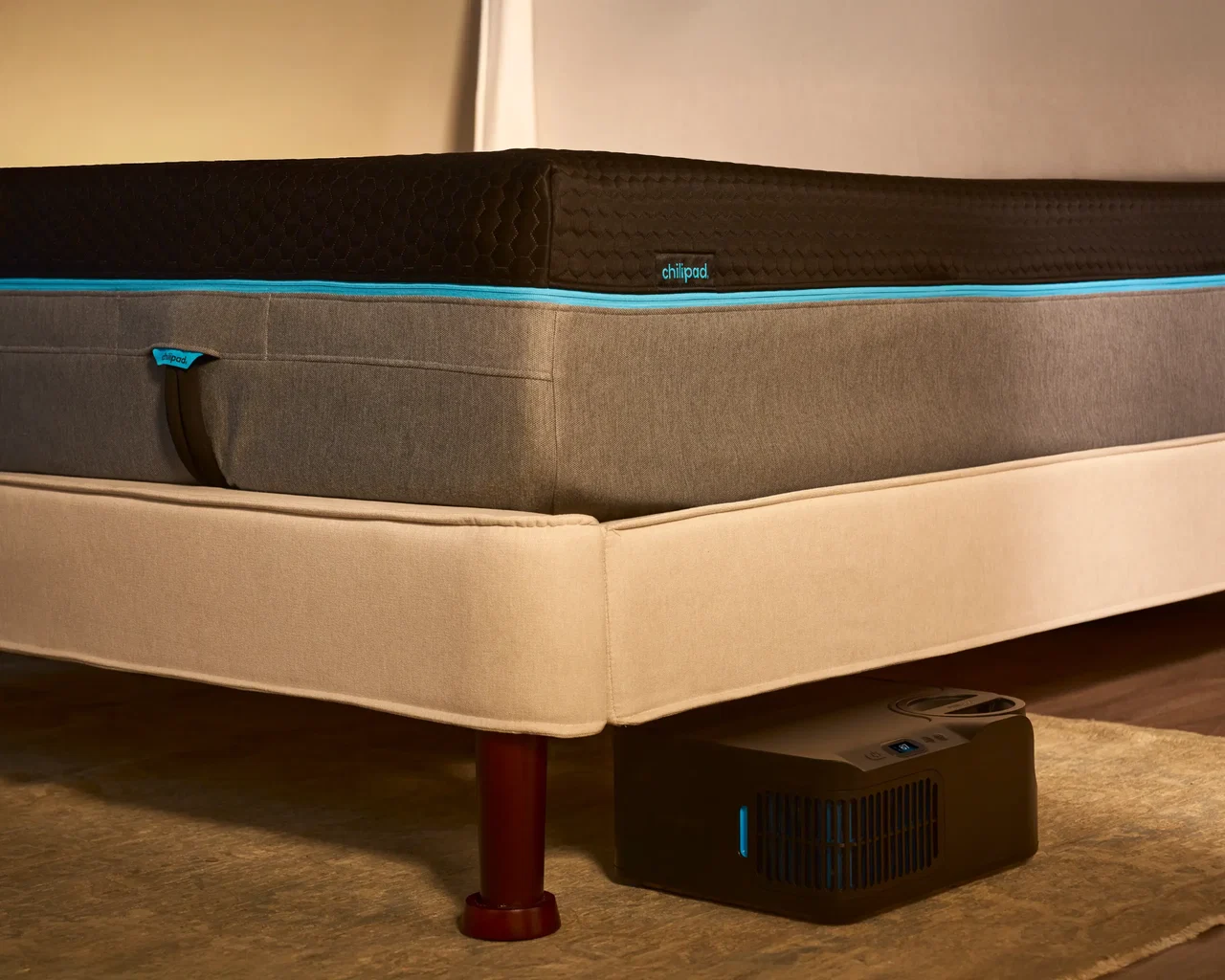
Is a Eight Sleep just a little too steep? This provides a similar experience for less money.
Cooling: Both Excellent, One Caveat
If you want to know which system gets colder, the honest answer is: both get as cold as you’d reasonably want.
Eight Sleep’s range is 55–110°F. ChiliPad 2.0 claims 55–115°F. On the coldest settings, both will make you want to turn it back up around 2 a.m.
And being honest, I’ve never turned either all the way up to their hottest setting. Even at 100°F you’ll be burning up, so heating power isn’t an issue with either of these.
One thing that surprised me: over the past month, I slightly preferred the overall temperature environment the ChiliPad 2.0 creates. I can’t fully explain it, and it’s subjective. But after years of being completely sold on Eight Sleep, I didn’t expect that.
Noise
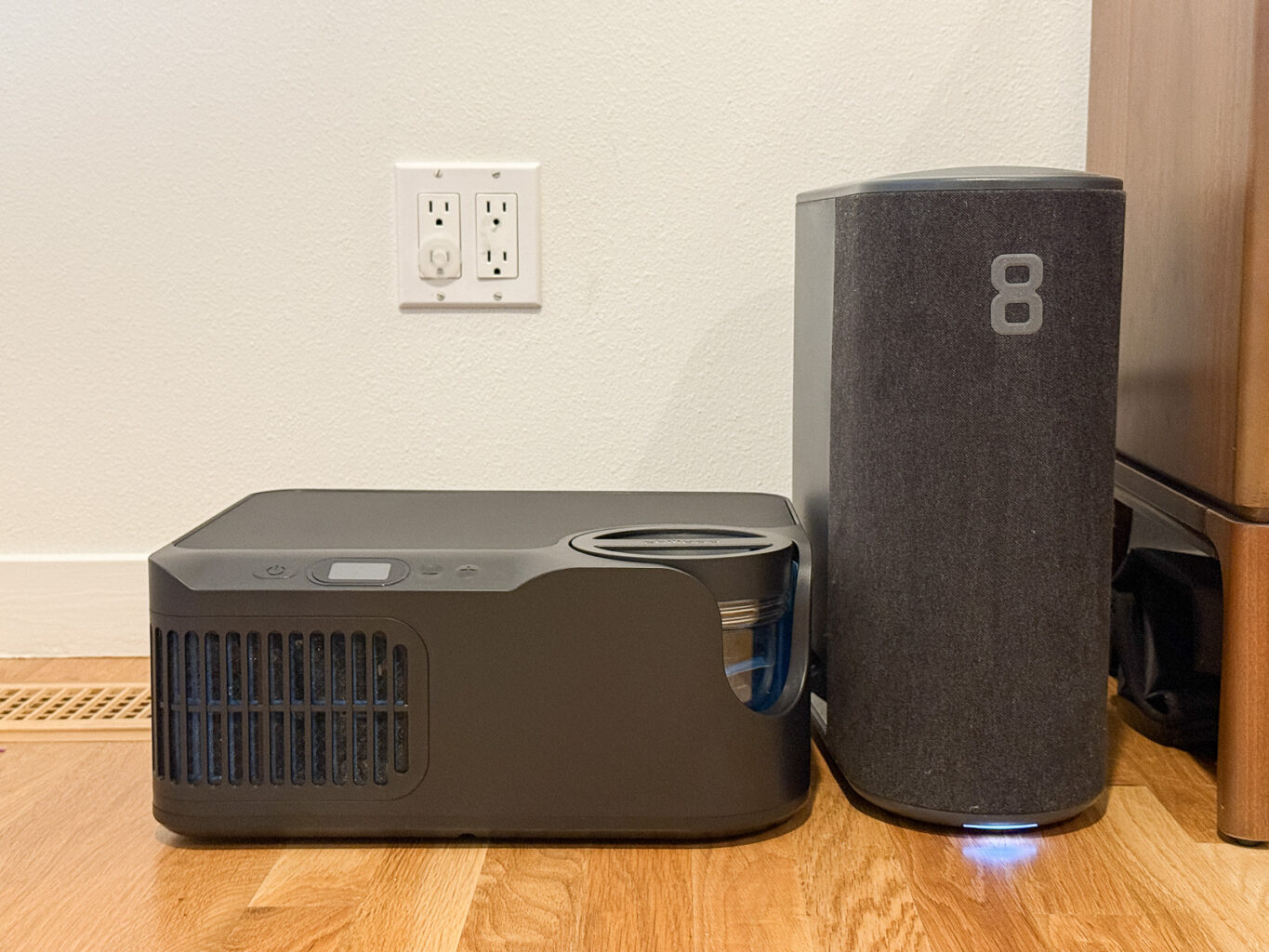
Both are quiet. Neither will bother you.
My Pod 3 occasionally makes a water-dripping sound when actively heating or cooling, it’s not disruptive, just noticeable in a quiet room. Eight Sleep says the newer Pod 4, 5, and 6 have addressed this with “Silent Performance,” which I believe.
ChiliPad 2.0 was loud during the initial fill. Once running normally, it’s been quiet throughout testing — roughly on par with, or slightly better than, my current Eight Sleep.
Both are dramatically quieter than the old Sleep.Me Ooler, which had fans running constantly. If you came from that era, either of these will feel like a revelation.
App and Controls
Eight Sleep’s app is legitimately impressive: schedules, AutoPilot settings, sleep reports, health data, breathwork exercises. It’s Wi-Fi-connected, so you can turn it on from across the house or adjust it remotely. The newer Pod covers also have tap-to-control built into the side, so you can make quick adjustments without the phone.
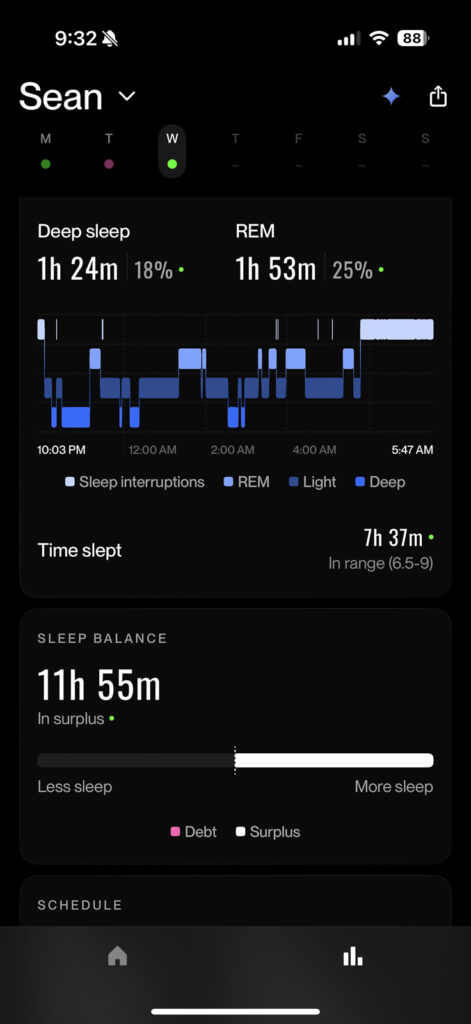
ChiliPad 2.0’s app handles temperature, schedules, and individual sleeper preferences. It works fine. Connectivity has been trouble-free. It just doesn’t do as much.
But here’s the thing: because the ChiliPad 2.0 remote is so good, I rarely reach for the app anyway. The dial does what I need in two seconds. Eight Sleep’s tap control is a similar concept, and it’s a good one, but the dedicated nightstand remote is a better implementation for late-night adjustments.
Dual Zones and Partners
Eight Sleep handles two independent zones from a single hub. One piece of hardware, both sides of the bed at completely different temperatures. It’s genuinely elegant.
ChiliPad 2.0’s two-person setup uses two separate docks. More hardware, more under-bed footprint. Both tuck away fine, and the trade-off is that each sleeper gets their own dedicated remote — no fighting over the app or negotiating with a shared control.
Five-Year Price Breakdown
The upfront prices look almost identical. Queen Eight Sleep Pod 6: $2,899. Queen ChiliPad 2.0 two-sleeper: $2,998. That’s a $99 gap.
Then the Eight Sleep subscription kicks in.
Standard is $199 per year. Over five years, that’s $995 on top of the hardware. Total: $3,894. ChiliPad 2.0 stays at $2,998. The gap grows to roughly $896, before taxes, discounts, or supplies.
You can technically cancel Eight Sleep’s subscription after year one and retain manual temperature control. But you lose AutoPilot, sleep tracking, scheduling, and alarms. At that point, you’ve got a very expensive heated mattress cover and not much else. If the features are what you’re buying, the subscription is part of the deal.
For people who are done with subscriptions, this is probably ChiliPad 2.0’s most compelling argument.
Here’s my dedicated ChiliPad 2.0 review.
What About the BedJet 3?
If both of those prices are making you wince, there’s a third option worth knowing about.
The BedJet 3 takes a completely different approach. Instead of circulating chilled water through a mattress layer, it pushes air under your covers. The full-size unit runs $699 regular price and frequently goes on sale around $498. Even adding the Cloud Sheet ($139 for better airflow distribution), you’re well under $700. No subscription required.
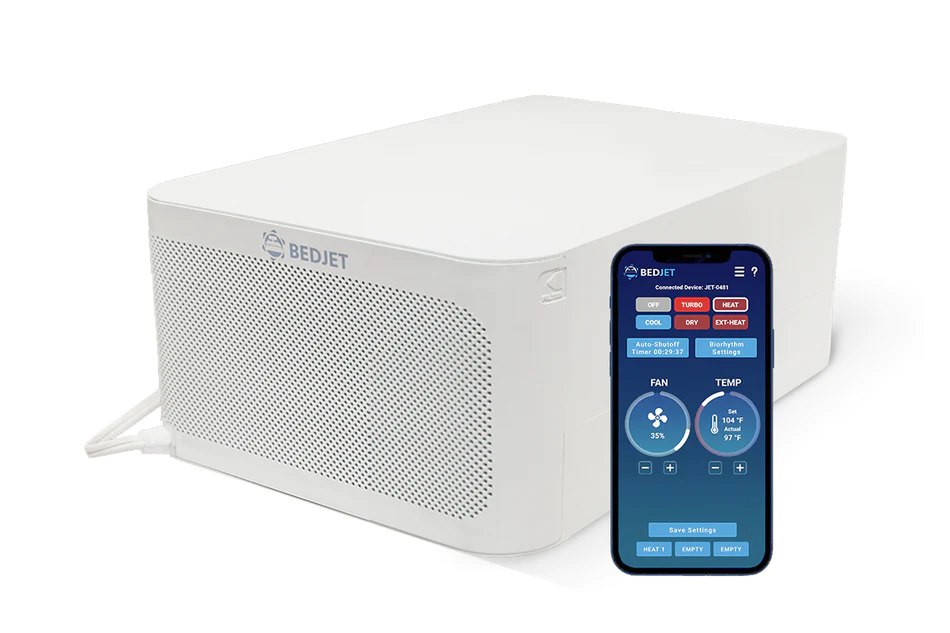
Looking for a sleep system that heats and cools with air instead of water? This is absolutely the one to buy.
The trade-offs are real, though. BedJet has no compressor or refrigerant. It can’t cool the air below your room temperature — it moves heat and moisture away from your body, which helps a lot, but it isn’t the same as cold-to-the-touch water cooling. In a bedroom with air conditioning, it works excellently. In a warm room without it, you’ll get airflow but not the icy mattress feel that Eight Sleep and ChiliPad 2.0 deliver.
Here’s the direct Eight Sleep vs. BedJet comparison. From a performance standpoint, the differences are similar between the BedJet and ChiliPad 2.0 as well.
It’s also louder at high cooling settings — a white noise machine sound rather than a fan. Some people actually find this helpful. And there’s no sleep tracking, no dual-zone setup without a second unit, and no scheduling that reacts to your sleep stages.
Buy the BedJet if the water-based prices are out of reach, you have AC, and you want effective temperature improvement without the complexity or ongoing cost. It’s not trying to compete with Eight Sleep or ChiliPad 2.0 on features. It just costs a fraction of either and does what it says it will do.
Who Should Buy Which
Buy the Eight Sleep if:
- AutoPilot matters — reactive overnight adjustments that respond to how you’re actually sleeping, not just a preset schedule
- You want sleep tracking without wearing anything to bed
- You want one hub for both sides of the bed
- You have a warm bedroom without AC and need maximum cooling power
- You’re comfortable treating the subscription as part of the total cost of ownership
Quite simply, this is the single best investment you could make for your sleep - it's that good. It's expensive, but worth it.
Buy the ChiliPad 2.0 if:
- You’re done with subscriptions and want great bed temperature control with no ongoing fees
- The bedside remote matters — fast, phone-free adjustments at 2 a.m.
- A washable cover is important to you
- You already wear a watch or ring for sleep data and don’t need another tracking layer
- The five-year math makes you lean toward the better long-term value
Is a Eight Sleep just a little too steep? This provides a similar experience for less money.
Buy the BedJet 3 if:
- The price of either water-based system isn’t in the cards right now
- You have air conditioning and want effective temperature improvement at a real-world budget
- Air circulation feels better to you than direct-contact water cooling
- No subscription and a sub-$700 price point is the deciding factor
Looking for a sleep system that heats and cools with air instead of water? This is absolutely the one to buy.
My Final Take
I’ve now slept on all three of these systems.
Eight Sleep remains the most impressive piece of technology in my bedroom. Four years in, it still performs exactly as it did on day one. The AutoPilot feature has genuinely changed how I think about sleep and recovery, and it’s woven into how I understand the quality of my nights in a way that goes beyond just having a cold bed. I’d pony up for a new Pod 5 Core or Pod 6 without hesitation if mine failed tomorrow.
But the ChiliPad 2.0 surprised me. Sleepme has come a very long way from the Ooler era. If you’re primarily shopping for a bed that feels the right temperature, without all the data layers and automated adjustments, ChiliPad 2.0 delivers that at a comparable level to Eight Sleep, and costs less over time. The bedside remote alone is something I’d genuinely miss going back to Eight Sleep without the tap control.
For what it’s worth, I’m still using the ChiliPad 2.0. I expected to have replaced it with my Eight 2 weeks ago, yet the performance is so good, that I haven’t necessarily felt compelled to make the switch.
The decision comes down to one question: do you want a smarter system, or a simpler one that never charges you again?
Eight Sleep for the former. ChiliPad 2.0 for the latter.
And if you’re curious how all of this stacks up against everything else I’ve tested for sleep and recovery, take a look at the full best golf recovery tools roundup.
If you found this comparison useful and decide that one of these systems is right for you, clicking the affiliate links above is the single best way to support my work here. I don’t take any sponsorships, and every single one of our reviews is based on firsthand experience and testing. If you click the links, I’ll get a commission, at absolutely no extra cost to you.
