

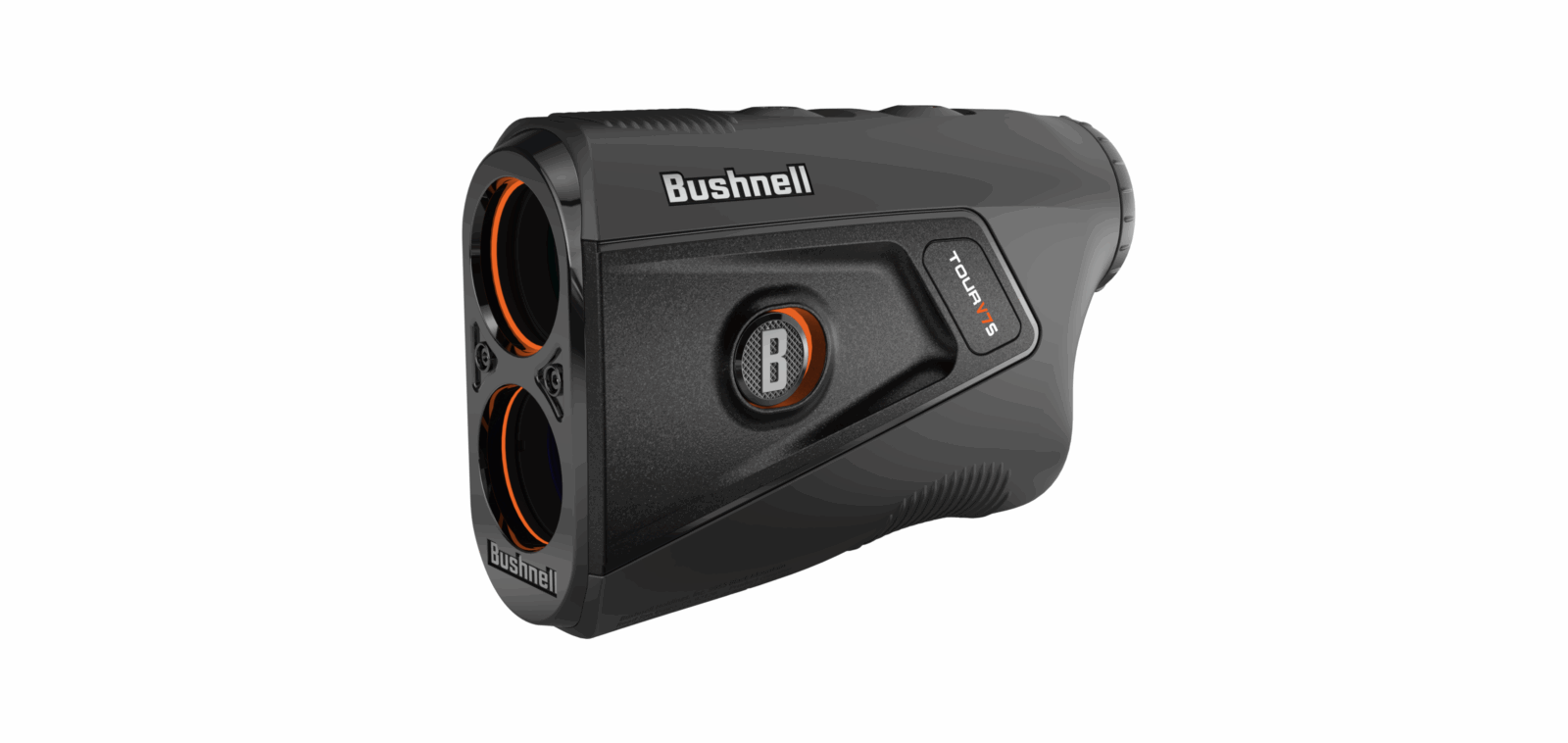
When I reviewed the Tour V6 Shift, I called it the most well-rounded rangefinder Bushnell had ever released. The right marriage of performance, build quality, features, and price. For most people, I recommended it over the $600 Pro X3.
Then the Tour V7 Shift showed up.
Same $399 price. Same “Tour” positioning, one notch below the flagship. And after testing it, I called it my favorite Bushnell rangefinder to date.
So now there’s an obvious question, and it comes in two flavors. If you’re shopping for a rangefinder today, is there any reason to consider the older V6 Shift? And if you already own a V6 Shift, is the V7 worth the upgrade?
Let’s get into it.
The Quick Verdict: The V7 Shift is a Legitimate Upgrade
Buying new at the same price? Get the V7 Shift. It’s not a close call. You’re getting Bushnell’s first dual-color OLED display, Link-Enabled launch monitor connectivity that used to require spending $600, and the same rock-solid flag lock the V6 was known for. It really does feel like a baby Pro X3.
The only reason to buy a V6 Shift in 2026 is a deep discount. It’s still a genuinely good device, and everything I loved about it in my original review remains true. But for the same money, the V7 does more, and does it better.
The upgrade question is a little more interesting. I’ll get to that at the end.
What Each of These Is
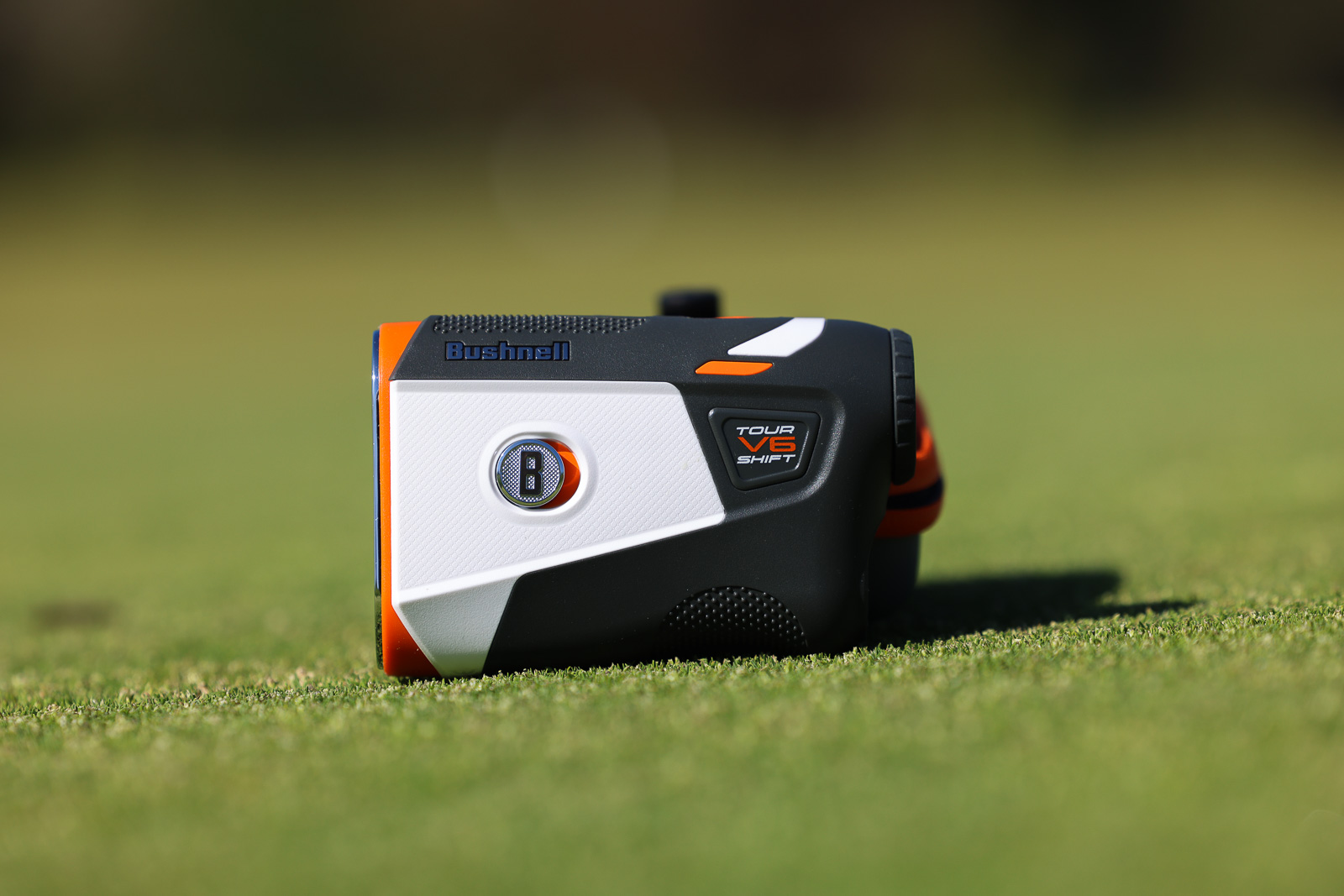
The Tour V6 Shift was Bushnell’s mid-tier slope rangefinder, and when it came out I thought it might give the flagship Pro X3 a run for its money at $200 less. It was the most premium-feeling Tour model they’d made to that point: 6x magnification, a beefy magnet on the back, an IPX6 weather rating, and a slope switch built into the logo on the side, which I always loved. Simple, discreet, does the job.
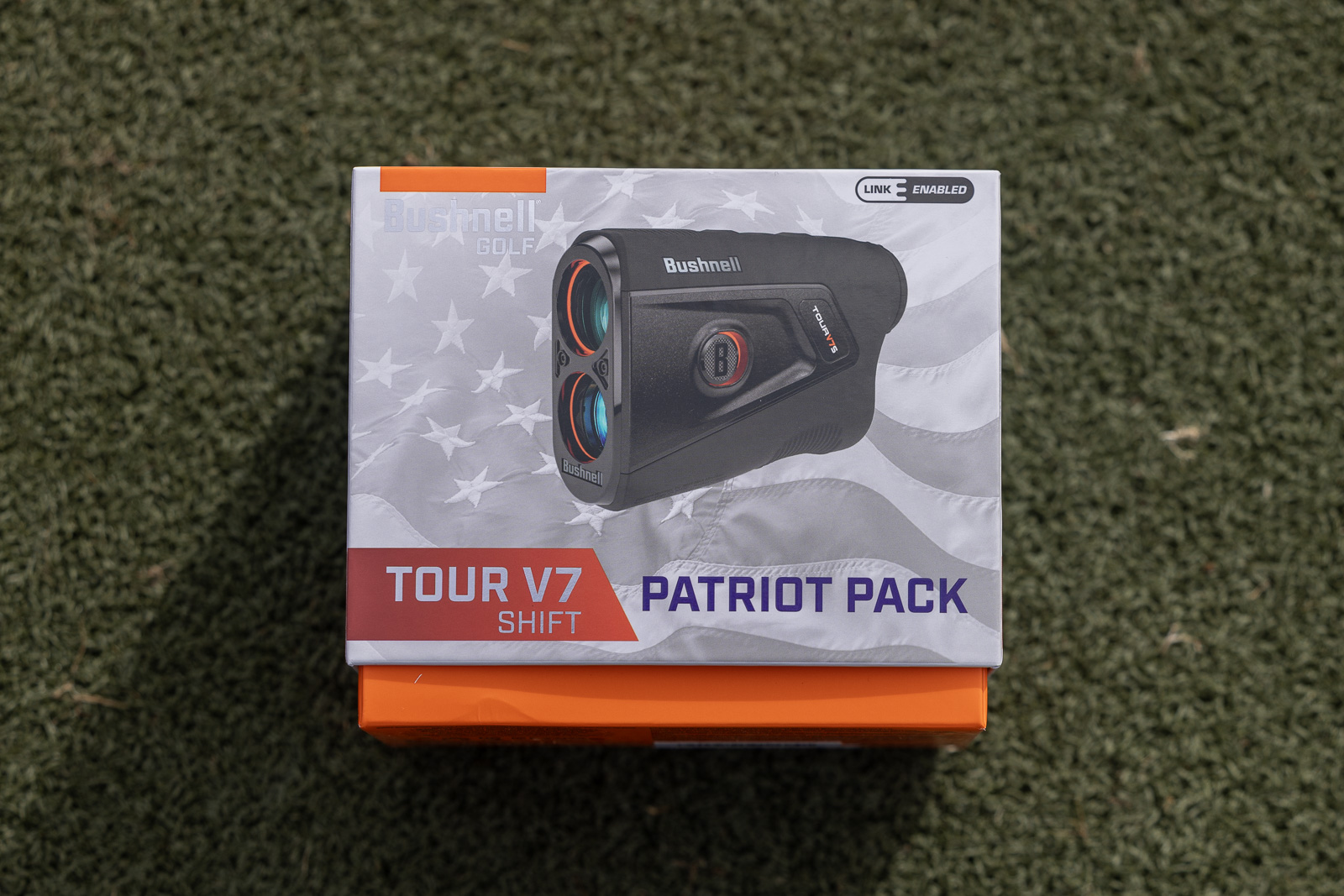
The Tour V7 Shift is its replacement, launched at the same $399 (and it’s actually less when you use the Bushnell Golf coupon code BREAKING10. It keeps the core formula (6x magnification, CR2 battery, Bite magnet on the side) and adds two big things: a dual-color OLED display and Link-Enabled Technology, which connects the rangefinder to your Bushnell or Foresight launch monitor data for club recommendations.
On paper, that’s evolution rather than revolution. In practice, the gap is bigger than it sounds.
The Display: This Is the Whole Upgrade, Really
Let’s start with the thing you’ll notice every single time you use these devices.
The V6 Shift has black optics. No backlight, no color. The glass is good, the numbers are clear, and for years that was perfectly fine.
The V7 Shift has the first dual-color OLED display Bushnell has ever put in a rangefinder. With slope enabled, your actual distance appears in red, and the slope-adjusted distance shows up in green directly below it. We’ve seen dual-color displays from the Voice Caddie TL1, the Nikon Coolshot Stabilized series, and the Blue Tees Captain Pro, but never from Bushnell. And the red and green on the V7 looks really crisp and clean.
Even the Pro X3 only lets you toggle between red and black, one color at a time.
Combined with glass that looks sharp and clear, this is comfortably the best display in the history of the Tour series, and honestly, one of the better displays I’ve seen in any rangefinder at this price point.
Winner: V7 Shift, by a mile.
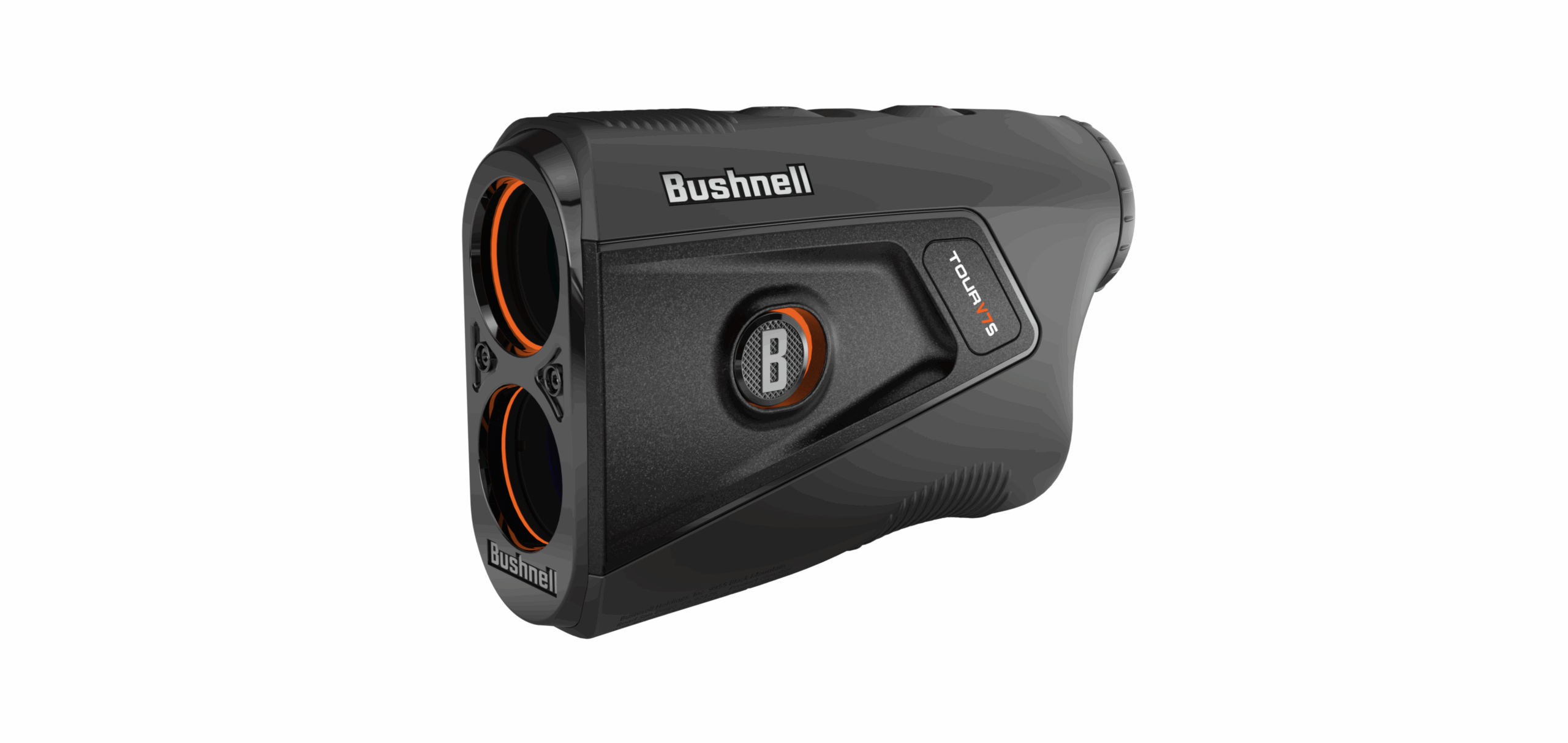
The V7 is Bushnell's first dual color OLED display on a rangefinder. This also has Link-Enabled technology, and is $200 less than the flagship X3. This makes it the most appealing Bushnell model for a lot of people.
Use code BREAKING10 to save 10%.
Flag Lock and Vibration: Both Excellent
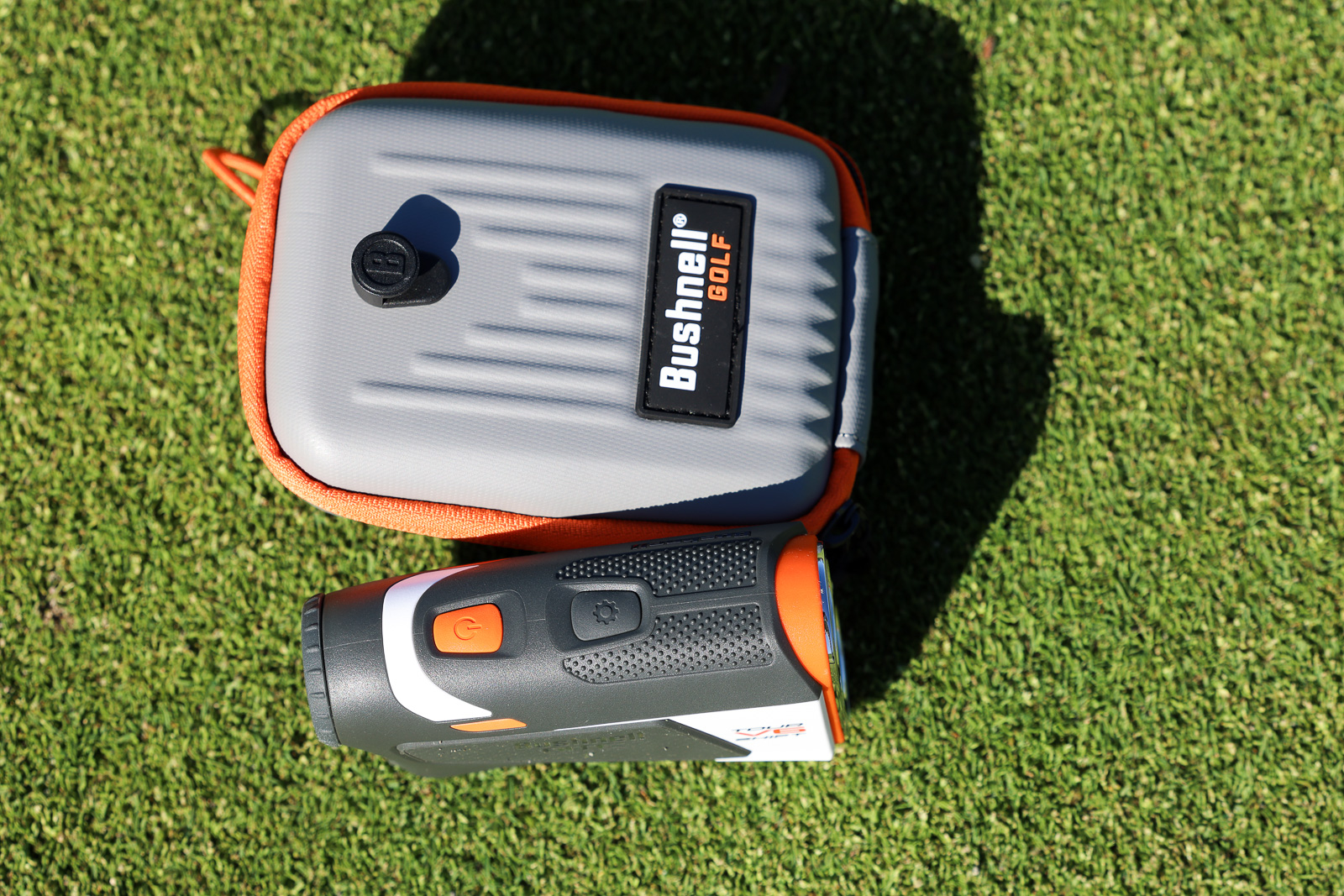
Here’s the category where the V6 Shift earned its reputation, and the good news is the V7 doesn’t give any of it back.
In my V6 review, I said it had some of, if not the best, vibration technology I’d ever used. It nailed the flag every single time for me. It was actually more reliable and consistent than the Pro X3, which I tested extensively back to back.
The V7 Shift carries that forward. Flag acquisition is fast, and the Jolt vibration only fires when you’re actually locked onto the flag, which a lot of cheaper rangefinders simply don’t do. Plenty of budget devices vibrate every time you range anything, so you’re never sure if you got the flag or a tree behind it. Both of these Bushnells get it right.
Both also give you the red ring around the viewfinder as a visual confirmation when you lock on.
Winner: tie. This is the most important thing a rangefinder does, and both of these are as good as it gets.
The Eye Relief Quirk (Both Have It)
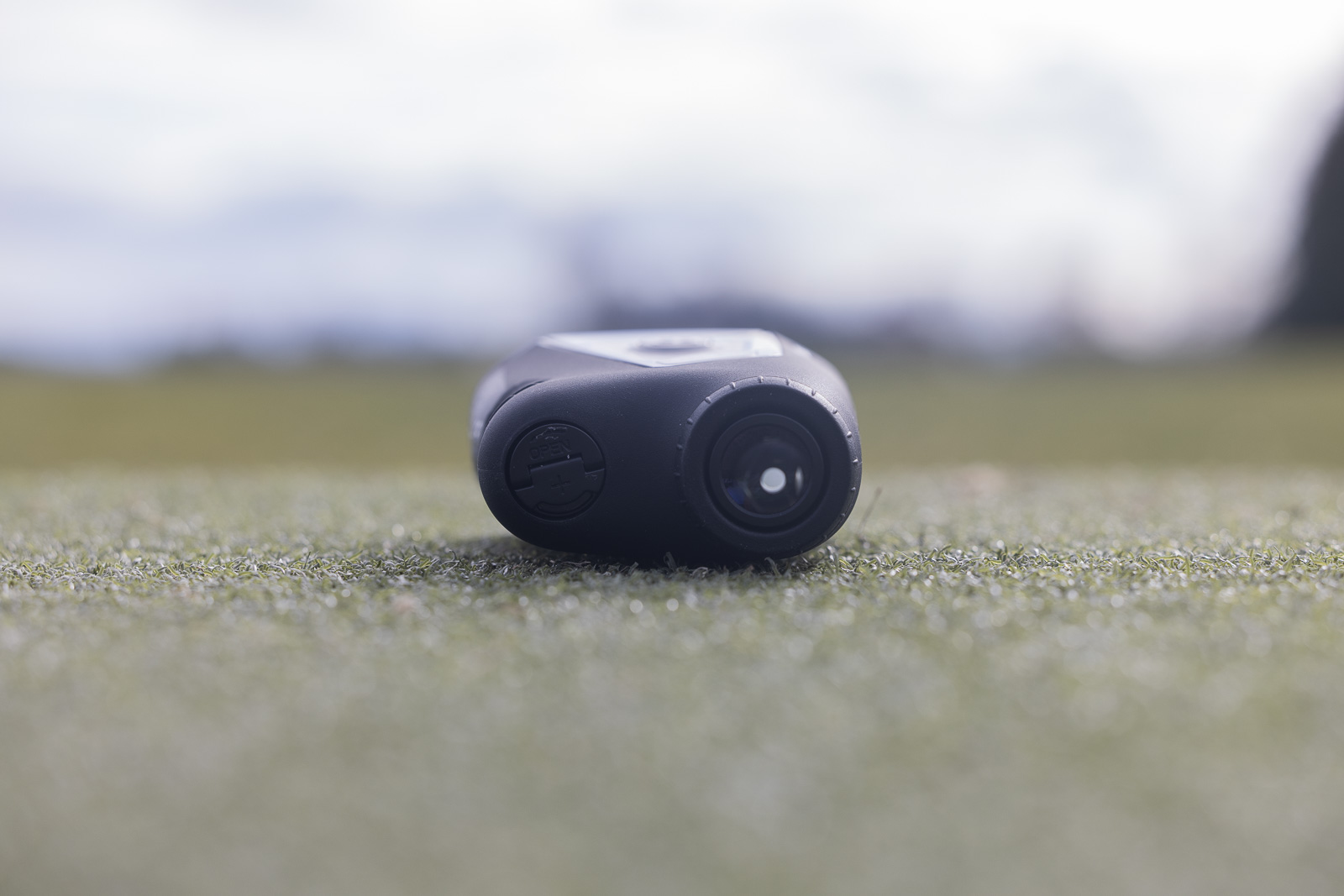
Time for some honesty, because both of these devices share the same small flaw.
On the V6 Shift, I noticed that lining your eye up with the viewfinder can be a little trickier than with most rangefinders. Like an older pair of binoculars, where you have to hunt for the angle before you can actually see through the glass. I adapted to it over time, but it jumped out at me quickly compared to competing models.
The V7 Shift is better than the Tour Hybrid I reviewed a few months back, but it still feels slightly worse than other Bushnell’s I’ve used. Most people will never notice. If you’ve used a lot of rangefinders, you might.
So no winner here. Just a heads-up that neither one is perfect on this front.
Smart Features: One of These Has Them
The V6 Shift has no app capabilities. None. That was fine in its day, and frankly, I said at the time that most people don’t really need the extra high-tech features.
But the V7 Shift’s Link-Enabled Technology changes the math, because it used to be exclusive to the $600 Pro X3.
Here’s how it works: you do a bag mapping session with a Bushnell or Foresight launch monitor (I used my Launch Pro and the new Foresight iPad app, which is excellent), and the rangefinder uses your real distance and dispersion data to suggest clubs while you play. The app doesn’t just spit out a club recommendation either. It shows you a full dispersion chart for multiple clubs at once. If you’re 140 yards out, you see your 7-iron, 8-iron, and 9-iron dispersion side by side and make the call off real data. I haven’t seen another app present it quite that way.
And even if you skip the app entirely, the V7 will display two club recommendations directly in the viewfinder based on your stock yardages.
I’ll be straight with you about the gaps, though. I ran into a frustrating hiccup where the app failed to sync a full 50-shot bag mapping session. Updating the app and starting fresh solved it, but it happened. And the V7 doesn’t factor in environmental data like wind, elevation, and humidity the way the Pro X3 does, which feels like the missing piece for the connected features to be truly useful.
Is Link-Enabled as important as the marketing might lead you to believe? Not necessarily. But at $400 instead of $600, it’s a lot more interesting.
Winner: V7 Shift. The V6 isn’t even entered in this event.
Build, Size, and the Stuff That Stays the Same
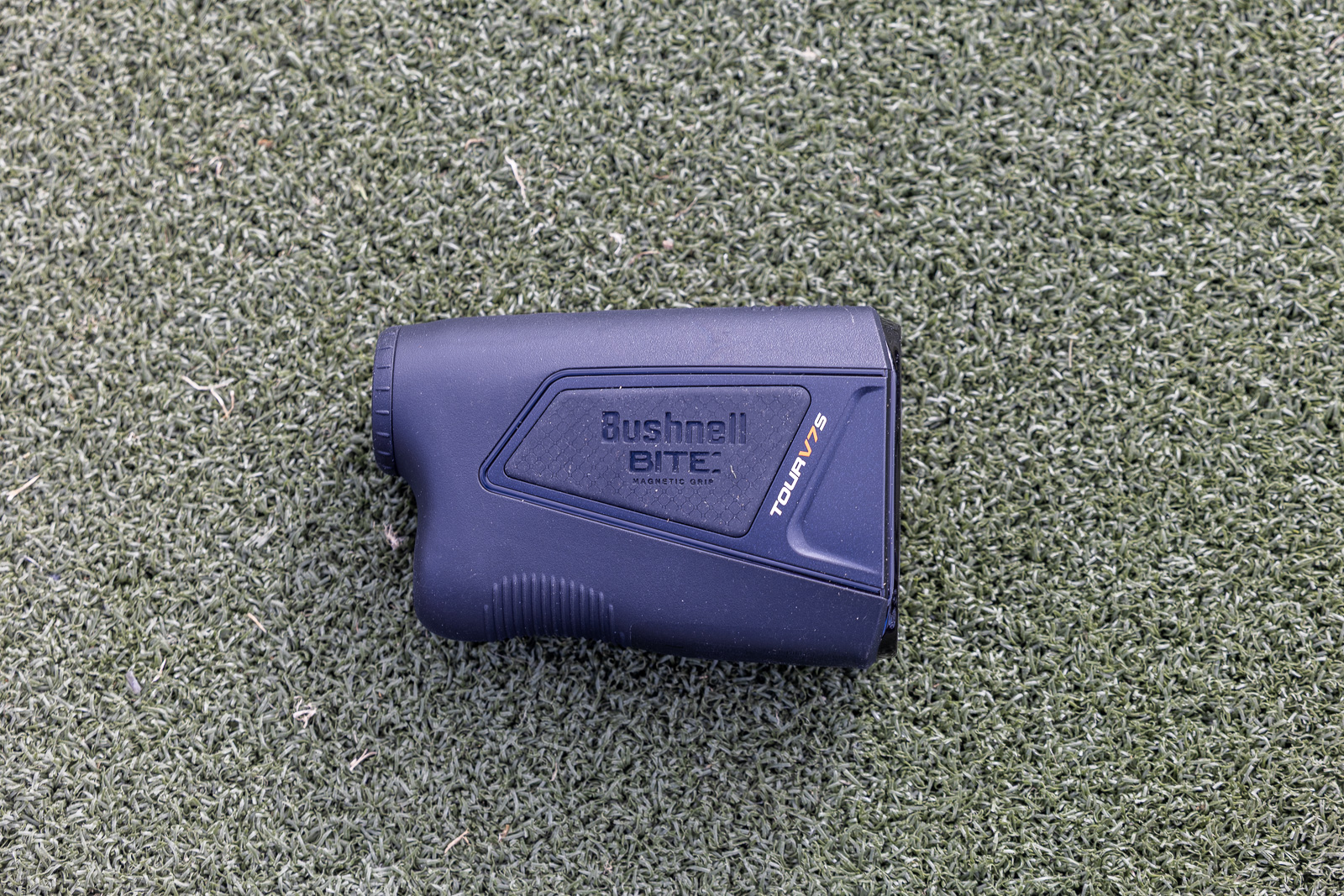
Both of these feel like Bushnells, which is to say excellent.
The V6 Shift hit a sweet spot where it felt high quality and well built while staying a manageable size, without being as tank-like as the Pro X3. The V7 continues that. It’s comfortable in the hand, easy in and out of the case or a bag pocket, with nice texturing on the top and bottom for a confident grip. I think Bushnell got the size exactly right.
Both use a standard CR2 replaceable battery rather than USB-C charging. I know some people want USB-C, but I honestly prefer the standard battery. Simpler than remembering to charge one more thing.
Both have the magnet on the side for sticking to a cart bar.
One thing worth repeating from my V6 review: only one battery comes in the box, and I’ve had a number of readers tell me over the years that Bushnell’s warranty and repair support can be slow compared to smaller, nimbler companies. My own experience with Bushnell support has been great, but it’s worth knowing.
Winner: tie. This is the Bushnell formula, and neither one messes it up.
Price: Depends if You Can Find a Discount
Both launched at $399.
The difference is that the V7 Shift is the current model, and you can use code BREAKING10 to knock 10% off, bringing it down to $360.
Back when the V6 was current, there was also a standard Tour V6 without slope for $299, which I thought was a killer deal for people who rarely use slope anyway. But as a current purchase decision, the V7 at $360 is the price to beat.
Honestly, I’ve expected to see the V6 Shift come down in price – but for the most part it hasn’t. It’s no longer sold on the Busnnell Golf site and it’s still selling for $399 at both Amazon and Play Better.
If you stumble onto a V6 Shift at a serious closeout discount, that’s the one scenario where the old model makes sense. At anything close to the same money, it doesn’t.
So Which One Should You Buy?
Buy the Tour V7 Shift if:
- You’re buying a Bushnell rangefinder today. At the same price as the outgoing model, you get a dramatically better display and the Link-Enabled features. There’s no reason to pick the V6 at equal money.
- You own a Bushnell or Foresight launch monitor. The bag mapping integration is genuinely cool, and the dispersion data presentation is legitimately impressive.
- You want most of the Pro X3 experience for $200 less. That was the V6’s pitch too, and the V7 just delivers more of it.
Buy (or keep) the Tour V6 Shift if:
- You find one heavily discounted. The core experience (flag lock, build, feel) holds up. It was the most well-rounded Bushnell of its generation for a reason.
- You already own one, and you don’t care about a color display or launch monitor connectivity. Your V6 still ranges flags as reliably as almost anything on the market. Nothing about the V7 makes the V6 worse at its job.
- You are color blind. Since some of the new OLED displays don’t have an option for black display, if you’re colorblind, choosing a black display is likely a better bet.
My Final Take: Most Likely? Buy the New Shift V7
If you’re buying new: V7 Shift. Easy call. It’s my favorite Bushnell rangefinder to date, and at $360 with the code, it’s the most appealing device in their lineup for most golfers.
The upgrade question is the one I’d slow down on. If you own a V6 Shift and it’s working for you, the honest answer is that you already have a great rangefinder. The V7 is a huge leap in display quality and features, but the thing that matters most (locking onto flags, reliably, every time) is something your V6 already does beautifully.
Upgrade if the dual-color display speaks to you or you’ve got a launch monitor sitting at home and the Link features sound like fun. Otherwise, spend the $360 on greens fees and shoot your V6 with a clear conscience.
If you do pull the trigger on the V7 Shift, use code BREAKING10 at Bushnell Golf to save 10%.
Either way, you’re holding one of the best rangefinders Bushnell has ever made. One of them is just a little better, and a little newer.
The V7 is Bushnell's first dual color OLED display on a rangefinder. This also has Link-Enabled technology, and is $200 less than the flagship X3. This makes it the most appealing Bushnell model for a lot of people.
Use code BREAKING10 to save 10%.
This may be the all around best rangefinder Bushnell has ever made when you take price into consideration. Excellent device, and highly recommended.
This page contains affiliate links. This means that if you click a link and buy one of the products on this page, we may receive a commission (at no extra cost to you!) This doesn’t affect our opinions or our reviews. Everything we do is to benefit you as the reader, so all of our reviews are as honest and unbiased as possible.
